Marijuana‑Infused Edibles : Benefits, Effects & Beginner Tips
If you’re exploring cannabis for the first time or looking for a smoke‑free alternative, edibles are one of the most approachable ways to get started. They’re discreet, long‑lasting, and available in a wide range of flavors and strengths. But because edibles work differently in the body than inhaled cannabis, the experience can feel stronger, slower to start, and longer to fade. Here’s the key insight: edibles aren’t just “stronger weed in food form”. They’re a completely different experience shaped by digestion, metabolism, and how your body processes cannabinoids. Once you understand how they work, choosing the right edible becomes much easier—and far more predictable.
Quick overview: the key takeaway
Edibles offer a slow‑building, long‑lasting cannabis experience that feels different from smoking or vaping. Because your body converts THC into a more potent form during digestion, edibles can feel stronger even at low doses. What actually shapes the experience is a combination of cannabinoid ratios (THC, CBD, and others), terpene profiles, dose, metabolism, and timing. Two gummies with the same milligrams can feel very different depending on what’s inside them and how your body processes them. When you shift your focus from the number on the package to how you want to feel—calm, uplifted, balanced, sleepy, or simply comfortable—edibles become easier to navigate and more consistent over time. That mindset turns edibles from a guessing game into an intentional, repeatable experience.
What edibles are & how they work
Marijuana‑infused edibles are foods or beverages made with cannabinoids like THC, CBD, or a combination of both. Common examples include gummies, chocolates, baked goods, beverages, and capsules. Unlike inhaled cannabis, which enters the bloodstream through the lungs almost immediately, edibles are processed through the digestive system, creating a very different experience.
After you consume an edible, it travels through the stomach and intestines before being metabolized by the liver. During this process, THC is converted into 11‑hydroxy‑THC, a compound that crosses the blood‑brain barrier more efficiently than inhaled THC. This conversion is what gives edibles their distinct character.
Because of this digestive pathway, edibles tend to:
-
Take longer to kick in — Effects usually begin within 30 to 120 minutes, depending on metabolism, food intake, and product type.
-
Feel stronger at the same milligram amount — The converted form of THC can feel more pronounced than inhaled cannabis, even at similar doses.
-
Last significantly longer — Effects commonly last 4 to 8 hours or more, making edibles one of the longest‑lasting consumption methods.
This slower, steadier onset is one of the main reasons people choose edibles. Many appreciate the extended duration and the absence of smoke or vapor. At the same time, the delayed effects mean it’s easier to take too much if you’re impatient or unfamiliar with how your body responds.
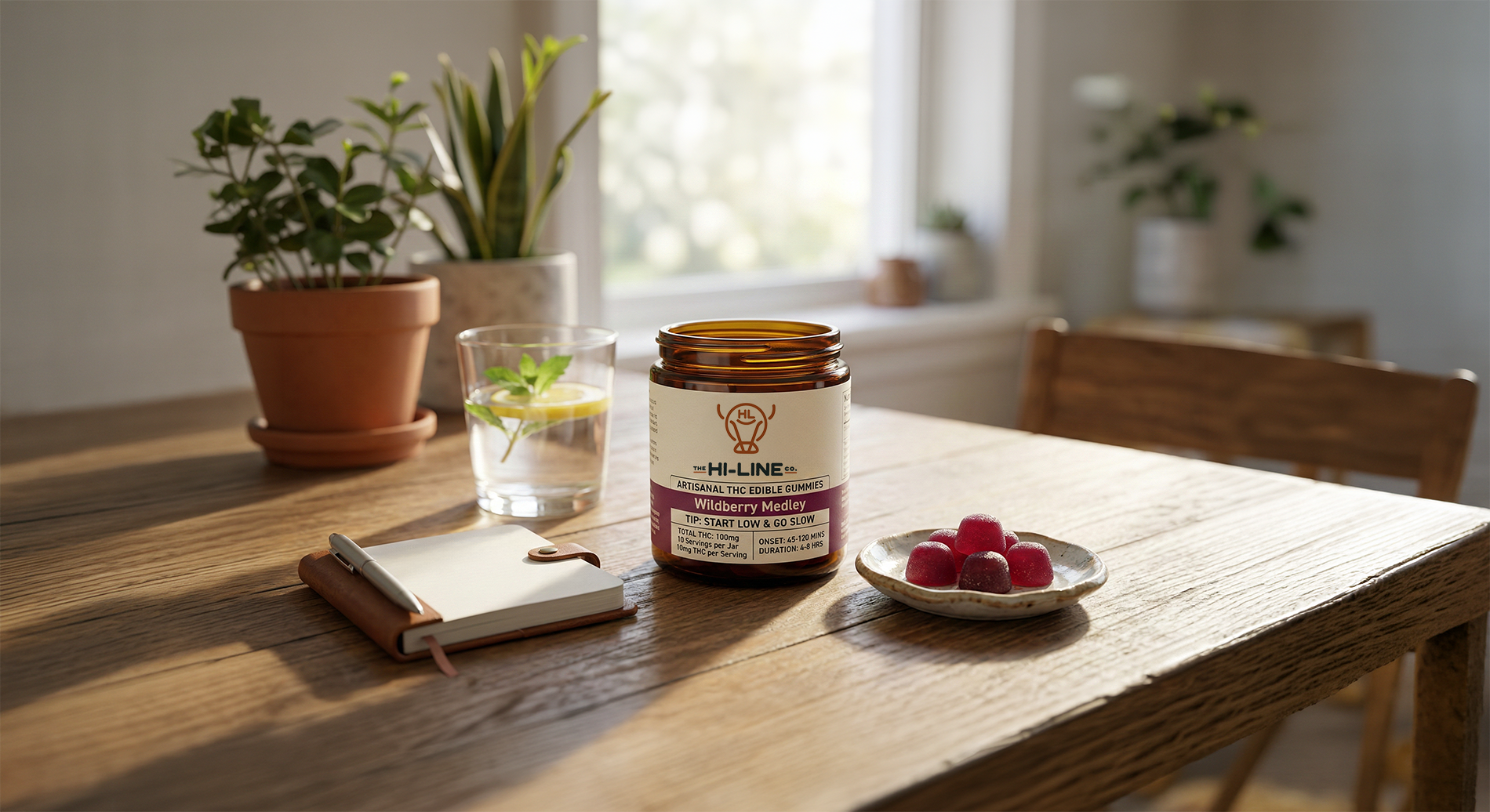
For beginners or anyone returning to cannabis after a long break, the key is patience. Starting low and going slow allows you to understand how edibles affect you before increasing dose, helping ensure the experience stays comfortable, predictable, and supportive rather than overwhelming.

Benefits of marijuana‑infused edibles
Edibles offer a distinct cannabis experience that appeals to people looking for consistency, discretion, and longer‑lasting effects. When used thoughtfully, they can fit naturally into a wellness‑focused routine.
-
Long‑Lasting Support — Edibles create a slow‑building, extended experience that many people find ideal for evening use, relaxation, or maintaining steady comfort over several hours. Because effects last longer than inhaled cannabis, they’re often chosen when consistency matters more than immediacy.
-
Discreet & Odor‑Free — Edibles don’t produce smoke or lingering scent, making them easy to use privately or in shared spaces without drawing attention. This discretion is especially appealing for people who prefer subtlety or live with others.
-
Consistent, Measurable Dosing — Most edibles clearly list the amount of THC or CBD per piece, helping users understand exactly what they’re taking. This makes it easier for beginners to start low, track their response, and repeat an experience with confidence.
-
Smoke‑Free Alternative — Edibles are a good option for anyone who prefers not to inhale cannabis or wants to avoid smoke altogether. They offer access to cannabinoids without respiratory irritation or discomfort.
-
Wide Variety of Options — From gummies and chocolates to baked goods, beverages, capsules, and fast‑acting nano‑edibles, there’s a format to match nearly every taste and comfort level. This variety allows people to choose products that fit their lifestyle rather than forcing a one‑size‑fits‑all approach.
-
Potential Wellness Applications — Some people use edibles to support comfort, stress management, sleep, appetite, or general relaxation. Experiences vary widely and depend on product choice, dose, and individual body chemistry.
Because edibles are longer‑lasting and more potent per milligram, they reward patience and intention. Starting with a low dose and allowing plenty of time to feel the effects helps ensure the experience stays comfortable, predictable, and supportive.

What shapes edible effects
Edible experiences are shaped by chemistry, dose, timing, and your own body, not just the milligram number printed on the package. Understanding these factors helps explain why two edibles with the same THC content can feel very different.
Terpenes: The Tone of the Experience
Terpenes influence how cannabis feels by interacting with cannabinoids and the nervous system. Even in edibles, where aroma is less obvious, terpene content still helps shape the overall tone of effects.
-
Earthy, herbal, or floral profiles are often associated with calming, grounding, or settling sensations.
-
Citrusy, fruity, or piney profiles tend to feel brighter or more uplifting for many people.
-
Spicy or musky profiles can feel heavier or more body‑focused, depending on the formulation.
Terpenes don’t determine effects on their own, but they help explain why similar doses can feel different from product to product.
Cannabinoid Ratios: THC, CBD & More
The balance between cannabinoids often matters more than the presence of any single one.
-
THC‑dominant edibles are more intoxicating, with effects that scale quickly as dose increases.
-
Balanced THC:CBD edibles often feel smoother, clearer, and easier to manage, especially for newer or more sensitive users.
-
CBD‑dominant edibles are non‑intoxicating and commonly chosen for functional, calming support.
-
Minor cannabinoids like CBG and CBC can subtly influence focus, comfort, or mood, shaping the overall experience without adding intoxication.
Dose & Timing
With edibles, small changes in dose can feel big. Because effects build slowly and last longer, it’s easier to overshoot the desired experience. Eating on an empty stomach can also make effects arrive faster and feel stronger, while food may slow and soften the onset.
How You Consume It
Different edible formats affect how quickly effects appear and how long they last.
-
Traditional edibles like gummies or baked goods tend to have a slower onset and longer duration.
-
Fast‑acting edibles are designed to kick in more quickly and wear off sooner.
-
Beverages often activate faster than solid edibles and may feel more gradual as they build.
Taken together, these factors explain why edible effects are personal and variable. Paying attention to terpene profiles, cannabinoid balance, dose, timing, and format leads to a more predictable and comfortable experience than relying on milligrams alone.
Onset & Duration: What to Expect
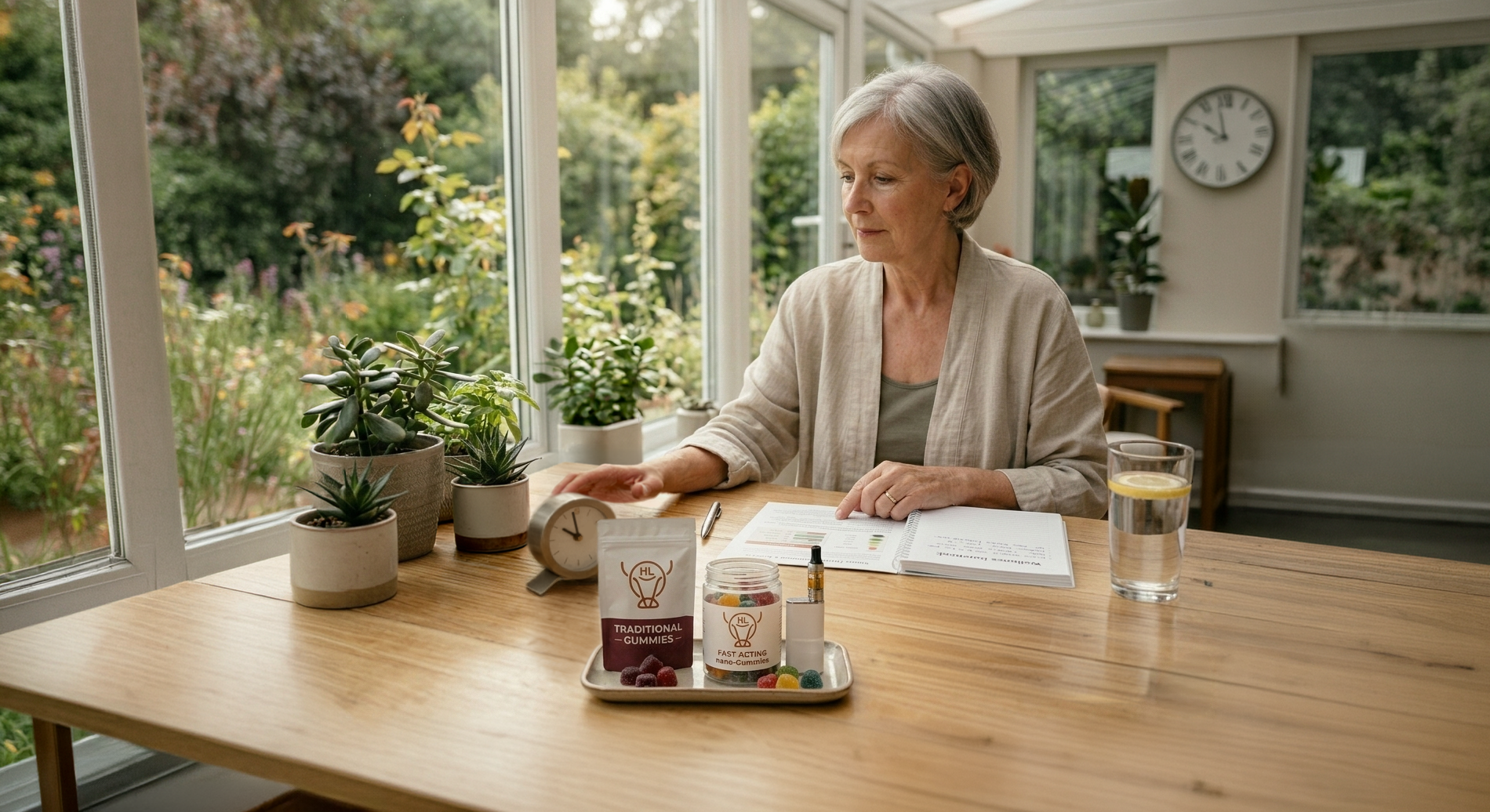
How you consume cannabis has a major impact on how quickly effects begin and how long they last. This is especially important with edibles, where timing can feel very different from inhaled methods.
| Method | Onset Time | Duration |
|---|---|---|
| Inhalation (Smoking/Vaping) | Minutes | 1–3 hours |
| Traditional Edibles | 30–120 minutes | 4–8+ hours |
| Fast‑Acting Edibles | 10–30 minutes | 3–6 hours |
A few practical takeaways help put this into context:
-
Inhalation offers the fastest feedback. Effects appear within minutes and fade relatively quickly, making it easier to adjust in real time.
-
Traditional edibles take patience. Because they’re processed through digestion and the liver, effects arrive slowly but last much longer. This extended duration is appealing for steady comfort, but it also means overdoing it can feel uncomfortable for hours.
-
Fast‑acting edibles are designed to bridge the gap. They activate more quickly than traditional edibles and tend to wear off sooner, offering a more predictable window for some users.
Understanding onset and duration helps set expectations and avoid common mistakes, especially taking more too soon. Giving each method enough time to fully show its effects is one of the simplest ways to keep the experience comfortable and intentional.
Beginner Dosing Tips
Edibles reward patience and intention, especially for first‑time or low‑tolerance users. A thoughtful approach helps keep the experience comfortable and predictable.
-
Start low — Beginners often begin with a low‑dose portion rather than a full serving. This allows you to understand how your body responds before increasing. With edibles, less is often more.
-
Wait before taking more — Edible effects can take up to two hours to fully appear. Taking additional doses too soon is one of the most common reasons people feel overwhelmed. Give the first dose time to settle before deciding whether you need more.
-
Avoid mixing with alcohol — Alcohol can intensify the effects of THC and make the experience feel stronger or less controllable. For beginners, it’s best to try edibles on their own so you can clearly understand how they affect you.
-
Choose a comfortable environment — Mindset and setting matter. Being in a familiar, relaxed space with no pressing obligations helps reduce anxiety and makes it easier to enjoy the experience.
A good rule of thumb is to treat your first few edible experiences as learning moments. Pay attention to how long effects take to start, how they build, and how long they last. That awareness makes future use more consistent and far more enjoyable.
How to Talk to Your Budtender
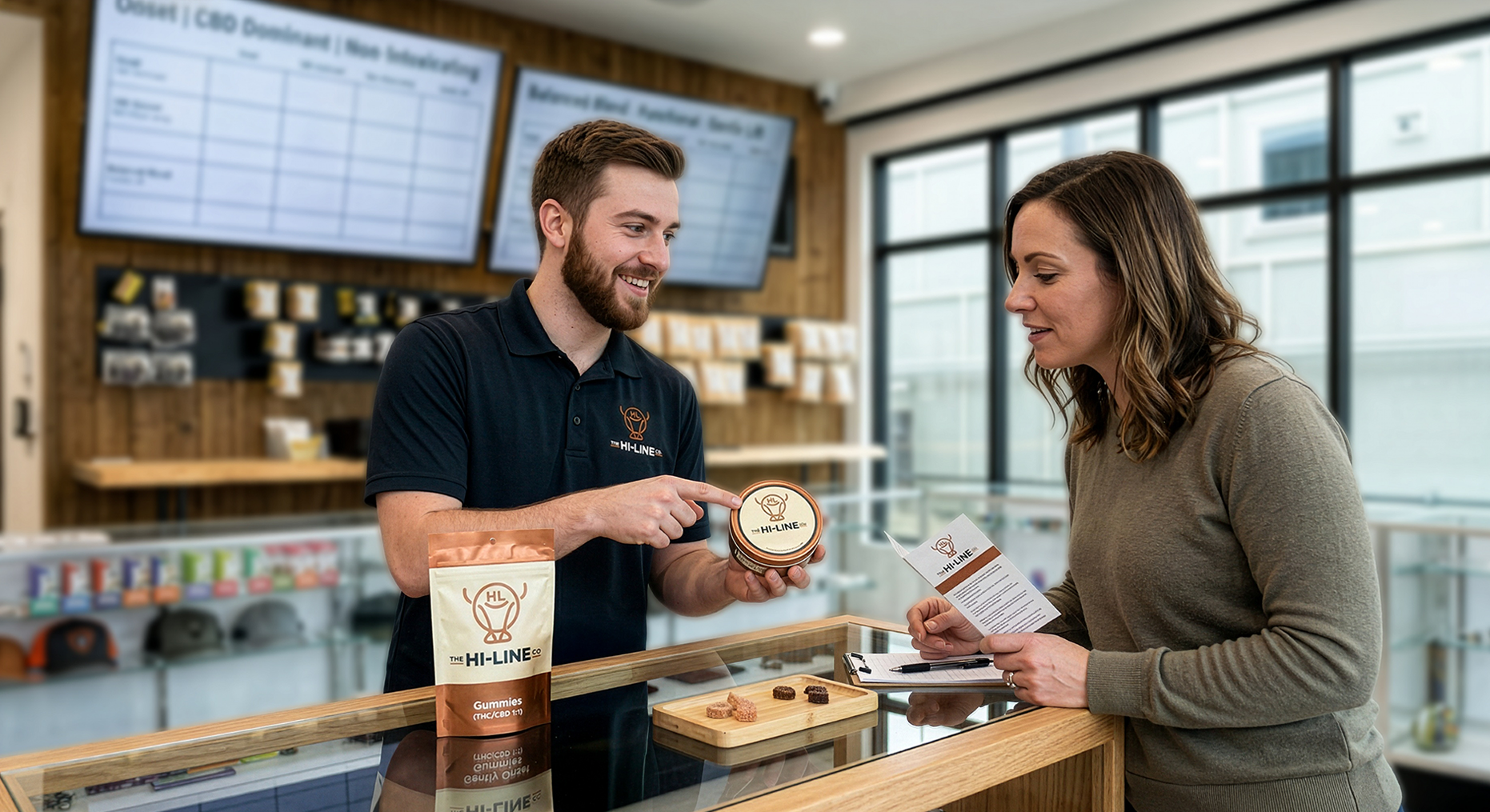
You don’t need technical language or deep cannabis knowledge to get a good recommendation. Clear, simple questions help your budtender understand your comfort level and guide you toward edibles that match your goals.
-
“I’m new to edibles. What do you recommend for beginners?”
This lets your budtender know to focus on lower‑dose, more manageable options rather than jumping straight to higher‑THC products. -
“How long does this product usually take to work?”
Onset time varies widely between traditional edibles, fast‑acting options, and beverages. This question helps set expectations and prevents taking more too soon. -
“Is this THC‑dominant, balanced, or CBD‑dominant?”
Understanding cannabinoid balance gives you a clearer picture of how intoxicating or functional the experience may feel. -
“Is this a fast‑acting edible or a traditional one?”
This helps you choose a format that fits your schedule and patience level, especially important if you’re trying edibles for the first time.
Budtenders are there to translate your goals into product choices, not to quiz you. When you share your experience level, timing, and comfort preferences, they can recommend edibles that feel predictable and supportive rather than overwhelming.
The best conversations focus less on strain names and more on how you want to feel, how long you want effects to last, and how gently you want them to arrive.
FAQ: Marijuana‑Infused Edibles
How long do edibles take to kick in?
Why do edibles feel stronger than smoking?
How long do edible effects last?
What’s a good starting dose for beginners?
Can I cut an edible into smaller pieces?
Do edibles work faster on an empty stomach?
What should I do if I accidentally take too much?
Are edibles safer than smoking?
Can edibles expire?
Do CBD edibles get you high?
What’s the difference between fast‑acting and traditional edibles?
Can I mix edibles with alcohol?
Why do edibles affect everyone differently?
How should I store edibles?
About The Hi‑Line Co. Montana Dispensaries
The Hi‑Line Co. is a Montana‑owned cannabis company with dispensaries located across the state. Our focus is on making cannabis approachable, understandable, and consistent, especially for people who want to feel confident in what they’re choosing and why.
We believe good cannabis starts with education and transparency. That means clear labeling, lab‑tested products, and teams who take the time to explain how different formats, cannabinoid profiles, and terpene combinations actually work in real life. Whether you’re brand new to cannabis or refining what works best for you, our goal is to replace guesswork with clarity.
At every Hi‑Line location, you’ll find a welcoming, no‑pressure environment where questions are encouraged. Our budtenders are trained to listen first, then guide you toward options that match your goals, comfort level, and experience, not just what’s popular or high‑potency.
If you’re exploring edibles for the first time, looking for something more balanced, or dialing in a routine that fits your lifestyle, we’re here to help you find the right fit. Cannabis is personal, and we’re committed to helping Montanans navigate it with confidence, consistency, and care.
SOURCES & FURTHER READING
The following sources informed the educational content in this article, including research on edible metabolism, 11‑hydroxy‑THC formation, cannabinoid pharmacokinetics, THC/CBD ratios, onset and duration of effects, and consumer safety. These references include peer‑reviewed studies, public‑health resources, and established cannabis education organizations.
-
Grotenhermen, F. “Pharmacokinetics and Pharmacodynamics of Cannabinoids.”
Clinical Pharmacokinetics.
https://pubmed.ncbi.nlm.nih.gov/12648025/
-
Huestis, M. A. “Human Cannabinoid Pharmacokinetics.”
Chemistry & Biodiversity.
https://pubmed.ncbi.nlm.nih.gov/17192870/
-
Vandrey, R. et al. “Oral Cannabis and Edible Cannabis Products: A Review of Pharmacology and Clinical Effects.”
Journal of Cannabis Research.
https://jcannabisresearch.biomedcentral.com/
-
Health Canada. “Cannabis in Food and Drink: How Edibles Work.”
https://www.canada.ca/en/health-canada/services/drugs-medication/cannabis.html
-
National Institute on Drug Abuse (NIDA). “Marijuana DrugFacts: Effects, Risks, and Pharmacology.”
https://nida.nih.gov/publications/drugfacts/marijuana
-
Colorado Department of Public Health & Environment. “Edibles: What You Need to Know.”
https://cdphe.colorado.gov
-
Project CBD. Educational resources on cannabinoids, THC/CBD ratios, and edible effects.
https://projectcbd.org/
-
Leafly. “How Edibles Work: Onset, Duration, and Why They Feel Different.”
https://www.leafly.com/learn
This article is intended for educational purposes only and does not replace professional medical advice. Cannabis research is ongoing, and individual experiences may vary. Consumers should consult a qualified healthcare professional if they have questions about how cannabis may affect them.