Cannabis & Aging:
Benefits for the Elderly
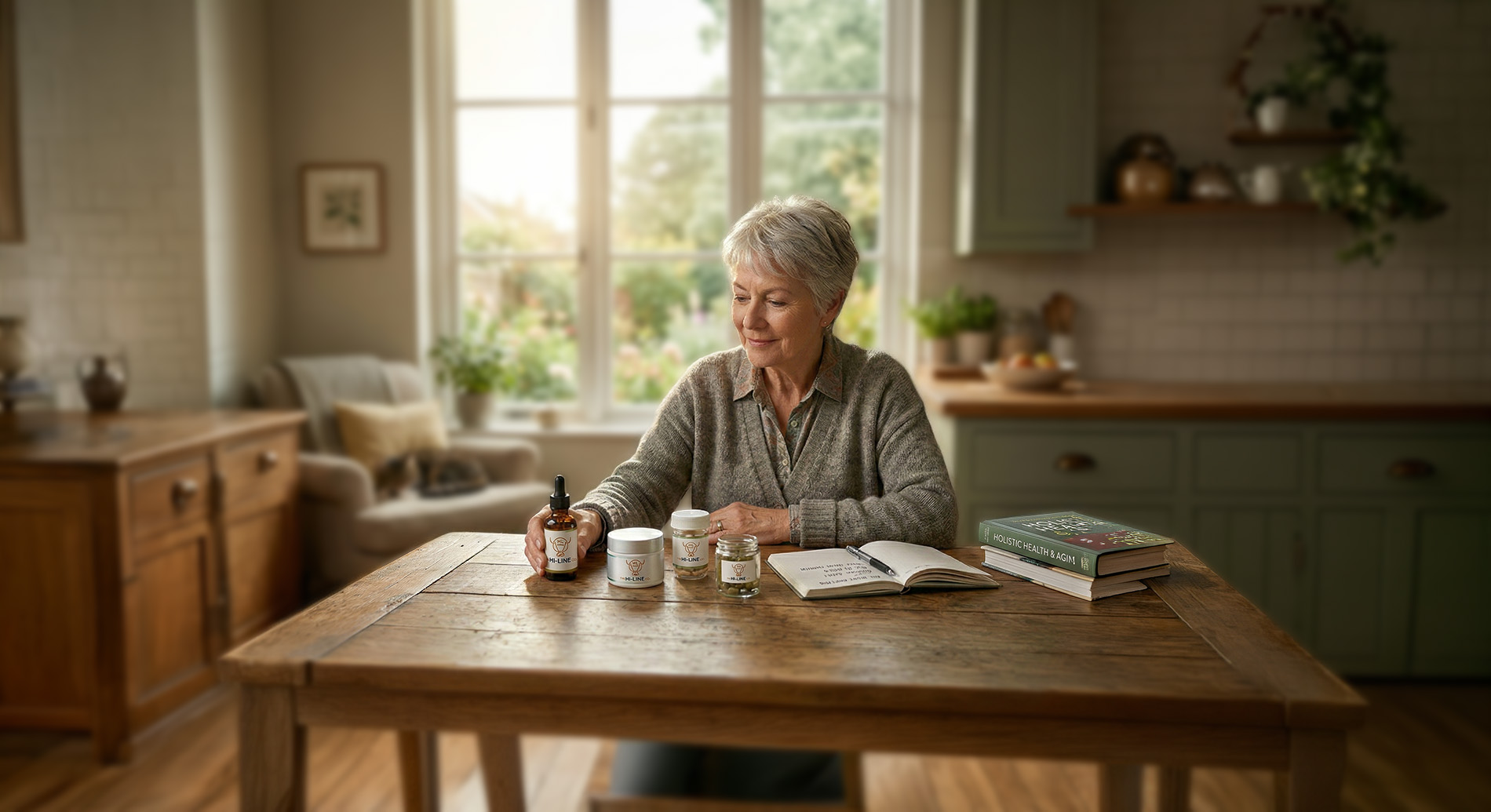
As cannabis becomes more widely accepted and better understood, many older adults are taking a fresh look at how it might fit into their wellness routines. For seniors, cannabis is rarely about getting high. Instead, it’s often about comfort, balance, and finding gentle ways to support everyday quality of life. With the right information and thoughtful use, cannabis can be explored safely and intentionally at any age.
Cannabis & Aging: Key Takeaways for Older Adults
Cannabis is increasingly being explored by older adults as a wellness‑focused option to support comfort, balance, and quality of life. Many seniors are interested in cannabis for help with chronic pain, sleep challenges, stress, appetite, and daily mobility, rather than for intoxication. Because the body changes with age, older adults often respond best to lower doses, balanced cannabinoid profiles, and non‑intoxicating options like CBD, CBC, and CBG.
Using cannabis later in life works best when approached thoughtfully. Choosing the right product type, starting low, understanding potential medication interactions, and seeking guidance from knowledgeable professionals can help ensure a safe and positive experience. When used intentionally, cannabis may serve as a supportive tool for aging well, staying active, and maintaining independence.
WHY MORE OLDER ADULTS ARE EXPLORING CANNABIS
Adults over 55 now represent one of the fastest‑growing segments of cannabis consumers, driven by a combination of accessibility, education, and shifting attitudes toward wellness. As legalization has expanded, cannabis has become easier to explore in regulated environments with clearer labeling, consistent dosing, and knowledgeable staff. This transparency has helped reduce the uncertainty and stigma that once surrounded cannabis use, especially for older generations.
Many older adults are also reevaluating how they manage long‑term discomfort, sleep challenges, and everyday stress. Rather than seeking intoxication, this group is often interested in gentler, more functional options that can complement existing routines or, in some cases, reduce reliance on traditional medications. Non‑intoxicating and balanced cannabis products appeal to those who want support without feeling impaired or disconnected from daily life.
This shift reflects a broader emphasis on aging well, staying active, independent, and mentally engaged. Cannabis is increasingly viewed not as a recreational indulgence, but as a potential wellness tool that can be used intentionally and responsibly. As education improves and product offerings continue to diversify, older adults are finding cannabis easier to understand, easier to personalize, and more aligned with their goals for comfort, clarity, and quality of life.
HOW AGING CHANGES THE WAY CANNABIS FEELS
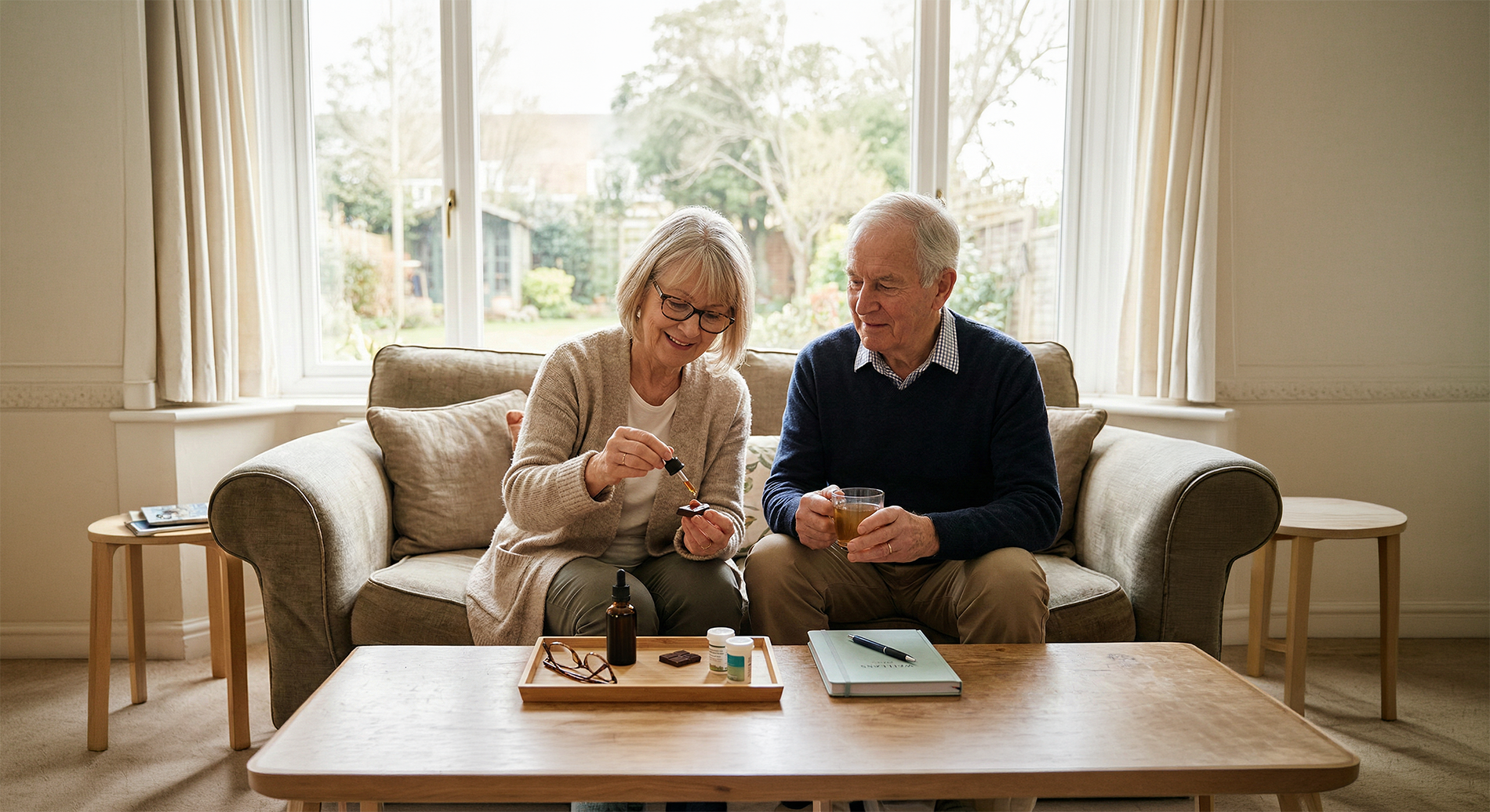
As the body ages, it processes substances differently, and cannabis is no exception. Metabolism naturally slows over time, body composition shifts, and changes in liver and kidney function can affect how cannabinoids are absorbed, distributed, and eliminated. These physiological shifts often mean that cannabis stays active in the body longer, increasing sensitivity to its effects.
The brain and nervous system also become more responsive with age. Older adults may notice stronger effects from smaller amounts of cannabis, particularly when using products high in THC. This heightened sensitivity can influence balance, coordination, and cognition, making careful product selection and dosing especially important.
Another key factor is the endocannabinoid system, which plays a role in regulating pain, mood, sleep, appetite, and inflammation. Research suggests that endocannabinoid signaling changes as we age, potentially altering how cannabinoids interact with the body. Because of this, many older adults find that lower doses and more balanced cannabinoid profiles feel more comfortable and predictable than high‑potency products.
For this reason, cannabis use later in life often shifts away from intensity and toward consistency, clarity, and functional support. Products that emphasize non‑intoxicating cannabinoids or balanced formulations may better align with the goals of maintaining independence, staying active, and supporting overall quality of life.
This evolving relationship with cannabis highlights why education, lab transparency, and intentional use become increasingly important as people age.
POTENTIAL BENEFITS OF CANNABIS FOR OLDER ADULTS
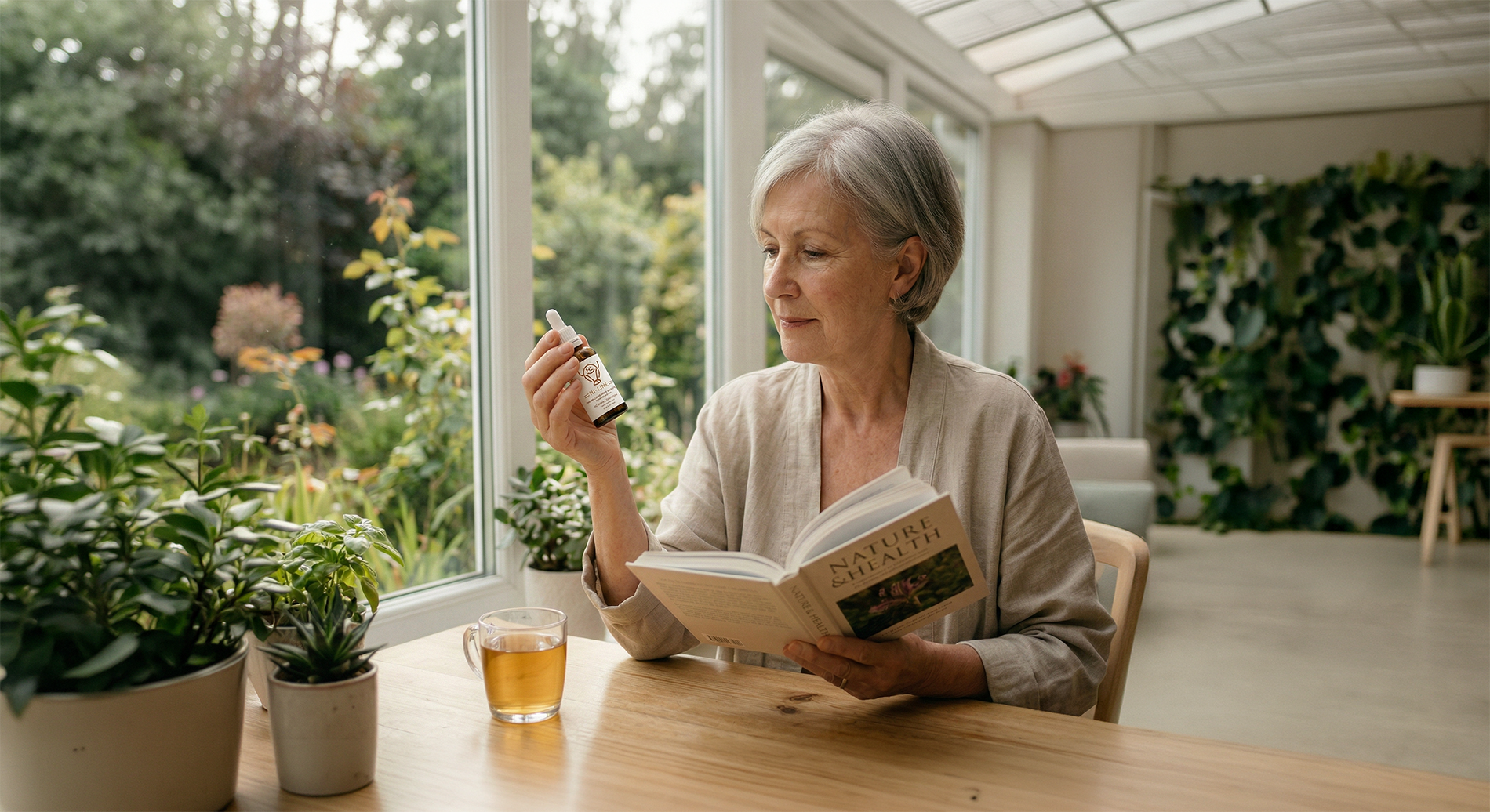
While research on cannabis and aging is still evolving, many older adults report positive experiences when cannabis is used thoughtfully and with clear goals in mind. Rather than seeking intoxication, this group often focuses on comfort, balance, and day‑to‑day quality of life.
Potential areas of support include:
- Pain & Inflammation Support — Cannabis is commonly explored for chronic discomfort related to arthritis, joint stiffness, and nerve pain. Balanced or low‑THC products are often preferred to support comfort without overwhelming effects.
- Sleep Quality — Certain cannabinoids may help promote more restful sleep, particularly when pain, stress, or restlessness interfere with falling or staying asleep.
- Mood & Emotional Balance — Cannabis may encourage relaxation and help ease everyday stress or tension, supporting a calmer, more even emotional state.
- Appetite & Digestion — Some cannabinoids are associated with appetite support and digestive comfort, which can be helpful when appetite naturally declines with age.
- Daily Comfort & Mobility — By supporting relaxation and easing physical discomfort, cannabis may help some seniors stay active, engaged, and comfortable throughout the day.
Everyone’s experience is different, and outcomes depend on product choice, dosage, and individual health factors. Thoughtful use, education, and professional guidance help ensure cannabis fits safely and effectively into a broader wellness routine.
UNDERSTANDING CANNABINOIDS: WHAT MATTERS MOST FOR SENIORS
Not all cannabis products are created equal, and cannabinoid selection plays a major role in how cannabis feels, especially later in life. Understanding the basics helps older adults choose products that align with comfort, clarity, and everyday function rather than intensity.
- CBD — A non‑intoxicating cannabinoid commonly associated with calming and anti‑inflammatory support. CBD is often used to promote relaxation, physical comfort, and emotional balance without altering perception.
- THC — The primary intoxicating compound in cannabis. At low doses, THC may support pain relief, appetite, or sleep, but higher amounts can increase dizziness, confusion, or anxiety, particularly in older adults who may be more sensitive to its effects.
- CBC & CBG — Minor cannabinoids frequently included in wellness‑focused formulations. These compounds are non‑intoxicating and are often valued for their potential roles in inflammation modulation, mood balance, focus, and digestive comfort. While present in smaller amounts, they can meaningfully shape how a product feels when combined with other cannabinoids.
Many older adults gravitate toward low‑THC or balanced products that emphasize non‑intoxicating cannabinoids. This approach supports a more predictable, functional experience that aligns with goals like staying active, clear‑headed, and comfortable throughout the day.
SAFETY CONSIDERATIONS FOR OLDER ADULTS
Cannabis can offer meaningful support for some older adults, but safety should always remain the priority. Age‑related changes in metabolism, balance, and sensitivity make thoughtful use especially important.
- Medication Interactions — Cannabinoids are processed by liver enzymes that also metabolize many common prescriptions. This means cannabis may alter how certain medications work or how long they stay active in the body. Anyone taking prescription drugs should speak with a qualified healthcare professional before adding cannabis to their routine.
- Balance & Fall Risk — Products containing THC can affect coordination, reaction time, and spatial awareness. For older adults, this increases the risk of falls, particularly at higher doses or when standing up quickly. Choosing lower‑THC or balanced formulations can help reduce this risk.
- Cognitive Sensitivity — Aging brains may be more sensitive to psychoactive effects, including confusion, anxiety, or short‑term memory disruption. Starting with non‑intoxicating or low‑THC options allows consumers to gauge effects without feeling overwhelmed.
- Start Low & Go Slow— Beginning with small amounts and allowing time to assess how the body responds is one of the most effective ways to minimize unwanted effects. Gradual adjustments support comfort, confidence, and long‑term success.
Open communication and education are key. Talking with a qualified healthcare professional and relying on lab‑tested products with clear labeling help ensure cannabis use feels informed, intentional, and aligned with overall wellness goals rather than risky or uncertain.
CHOOSING THE RIGHT CANNABIS PRODUCTS
The way cannabis is consumed can significantly shape how it feels, especially for older adults or anyone prioritizing comfort, predictability, and ease of use. Different formats vary in onset time, duration, and intensity, making thoughtful selection an important part of a positive experience.
- Topicals — Creams, balms, and lotions are commonly used for localized joint or muscle discomfort. Because they are applied externally and do not enter the bloodstream in meaningful amounts, topicals offer targeted support without psychoactive effects.
- Tinctures & Capsules — These formats provide consistent, easy‑to‑measure dosing and are often favored for their discretion and reliability. Tinctures can be adjusted drop by drop, while capsules offer a familiar, supplement‑like experience.
- Low‑Dose Edibles — Edibles tend to produce longer‑lasting effects, which some consumers find helpful for sustained comfort or sleep support. However, they take longer to activate, making patience and conservative dosing especially important.
- Flower & Inhalables — Smoking or vaporizing cannabis delivers faster‑acting effects, which can be useful for immediate relief. That said, inhalation is not ideal for everyone, particularly those with respiratory sensitivities or who prefer gentler delivery methods.
Across all formats, lab‑tested products with clear labeling help ensure safety, consistency, and confidence. Transparent cannabinoid profiles allow consumers to understand what they’re using and choose products that align with their goals, whether that’s balance, clarity, or long‑term wellness support.
THE IMPORTANCE OF EDUCATION & SUPPORT
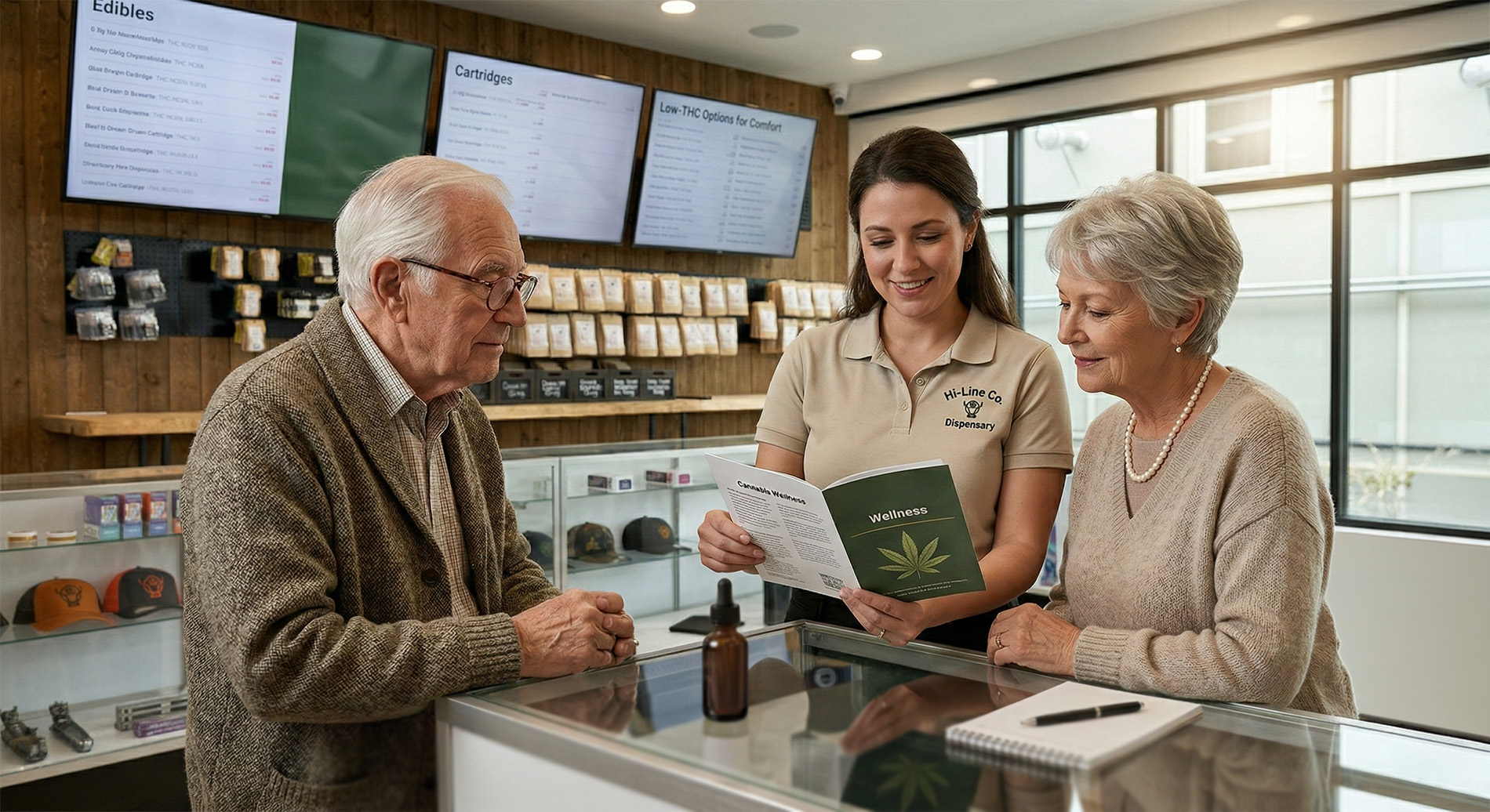
For many older adults, education and guidance are what transform cannabis from something intimidating into something approachable and useful. Unlike younger consumers who may experiment casually, seniors often want to understand why a product works, how it may feel, and what to expect before trying it. Clear explanations help build confidence and reduce anxiety around first‑time or renewed cannabis use.
Knowledgeable dispensary staff play a critical role in this process. By explaining cannabinoid profiles, product formats, and realistic outcomes, they help older adults make informed decisions that align with their goals, whether that’s supporting sleep, easing daily discomfort, or maintaining emotional balance. This guidance also helps set appropriate expectations, reinforcing that cannabis is a supportive tool rather than a cure‑all.
Education and support also promote safer, more intentional use. When seniors understand dosing principles, non‑intoxicating options, and potential interactions with medications, they are better equipped to use cannabis responsibly. This sense of empowerment encourages autonomy and trust, allowing older adults to explore cannabis at their own pace and on their own terms.
Ultimately, access to thoughtful education and compassionate support helps ensure that cannabis use later in life feels informed, respectful, and aligned with overall wellness, rather than overwhelming or uncertain.
A THOUGHTFUL APPROACH TO CANNABIS & AGING
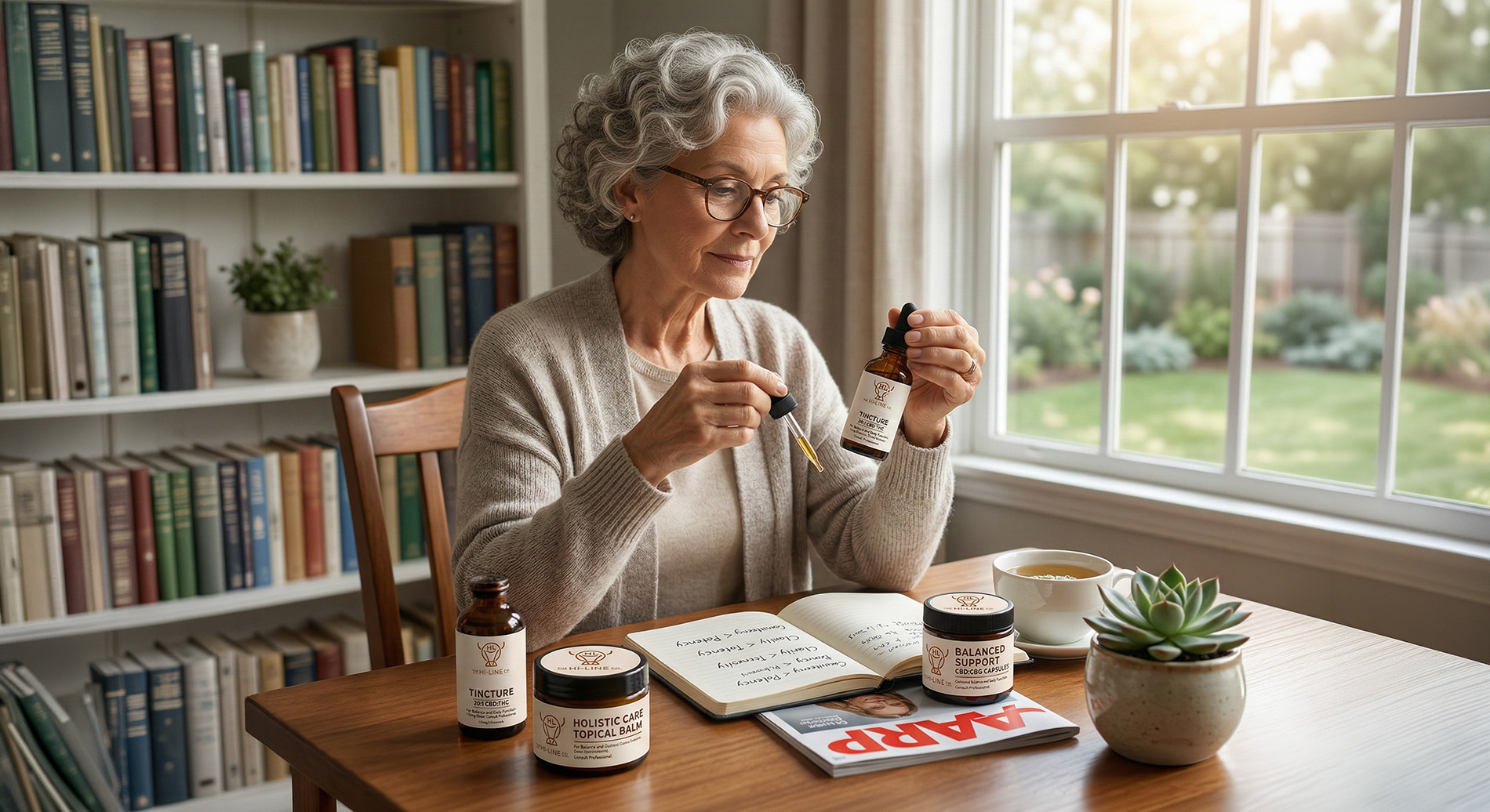
Cannabis is not a cure‑all, but for some older adults, it can be a supportive tool when used with intention, education, and care. The emphasis shifts away from intoxication and toward comfort, balance, and maintaining quality of life, aligning cannabis use with broader wellness goals rather than short‑term effects.
As research continues to evolve, cannabis is increasingly viewed as one option within a larger toolkit for aging well. Thoughtful use prioritizes consistency over potency, clarity over intensity, and products that support daily function rather than disrupt it. This perspective resonates with older adults who value staying active, independent, and engaged in their routines.
Equally important is the role of informed decision‑making. Clear labeling, lab transparency, and access to knowledgeable guidance help ensure cannabis use feels empowering rather than uncertain. When paired with realistic expectations and open conversations with healthcare professionals, cannabis can fit more naturally into a holistic approach to long‑term wellness.
Ultimately, a thoughtful approach to cannabis and aging centers on staying informed, listening to the body, and making choices that support comfort and autonomy over time. As understanding grows and products continue to diversify, cannabis is becoming part of an ongoing conversation about how to age with intention, dignity, and balance.
FAQ: CANNABIS & AGING
What You Should Know
Is cannabis safe for older adults?
Will cannabis make me feel “high”?
What benefits do older adults commonly look for with cannabis?
What cannabinoids are best for seniors?
Can cannabis interact with medications?
What cannabis products are easiest for older adults to use?
How much cannabis should an older adult use?
Can cannabis increase fall risk?
Is cannabis meant to replace my current medications?
How can a dispensary help older adults feel comfortable?
FIND THE KNOWLEDGE & SUPPORT FROM THE HI‑LINE CO.
The Hi‑Line Co. is a Montana‑based cannabis company focused on education, quality, and thoughtful access for every stage of life. With dispensary locations across the state, we’re committed to creating welcoming spaces where questions are encouraged and cannabis is approached with care, clarity, and respect.
We understand that exploring cannabis later in life can feel unfamiliar, which is why our team prioritizes clear explanations, lab‑tested products, and guidance tailored to individual comfort levels. Whether you’re curious about low‑THC options, non‑intoxicating cannabinoids, or products designed to support everyday wellness, our knowledgeable staff is here to help you navigate your choices with confidence.
Visit one of our Hi‑Line Co. dispensaries to learn more, explore thoughtfully curated products, and discover cannabis solutions that align with your goals, your lifestyle, and the way you want to feel. We’re proud to support Montanans in aging well, staying informed, and making empowered decisions about their wellness.
SOURCES & FURTHER READING
The following sources informed the educational content in this article, including research on cannabis use among older adults, age‑related considerations, cannabinoid safety, and wellness‑focused applications. These references include peer‑reviewed studies, public health data, and established cannabis education resources.
- Han, B. H., et al. “Trends in Cannabis Use Among Older Adults in the United States, 2006–2018.”
JAMA Internal Medicine.
https://jamanetwork.com/journals/jamainternalmedicine/fullarticle/2767647 - Abuhasira, R., et al. “Medical Cannabis for Older Patients: A Review of Safety and Efficacy.”
European Journal of Internal Medicine.
https://www.sciencedirect.com/science/article/pii/S0953620518301336 - National Institute on Aging (NIA). “What Older Adults Need to Know About Cannabis.”
https://www.nia.nih.gov/health/what-older-adults-need-know-about-cannabis - National Center for Biotechnology Information (NCBI). Endocannabinoid system and aging research.
https://www.ncbi.nlm.nih.gov/ - Project CBD. Educational resources on cannabinoids, aging, and wellness‑focused cannabis use.
https://projectcbd.org/
This article is intended for educational purposes only and does not replace professional medical advice. Cannabis research related to aging is ongoing, and individual experiences may vary. Older adults should consult a qualified healthcare professional before incorporating cannabis into a wellness routine.