Cannabis Education & Shopping Confidence
How to Read a Cannabis Label
in Montana
THC, CBD, serving size, product details, testing information, and required warnings explained clearly.
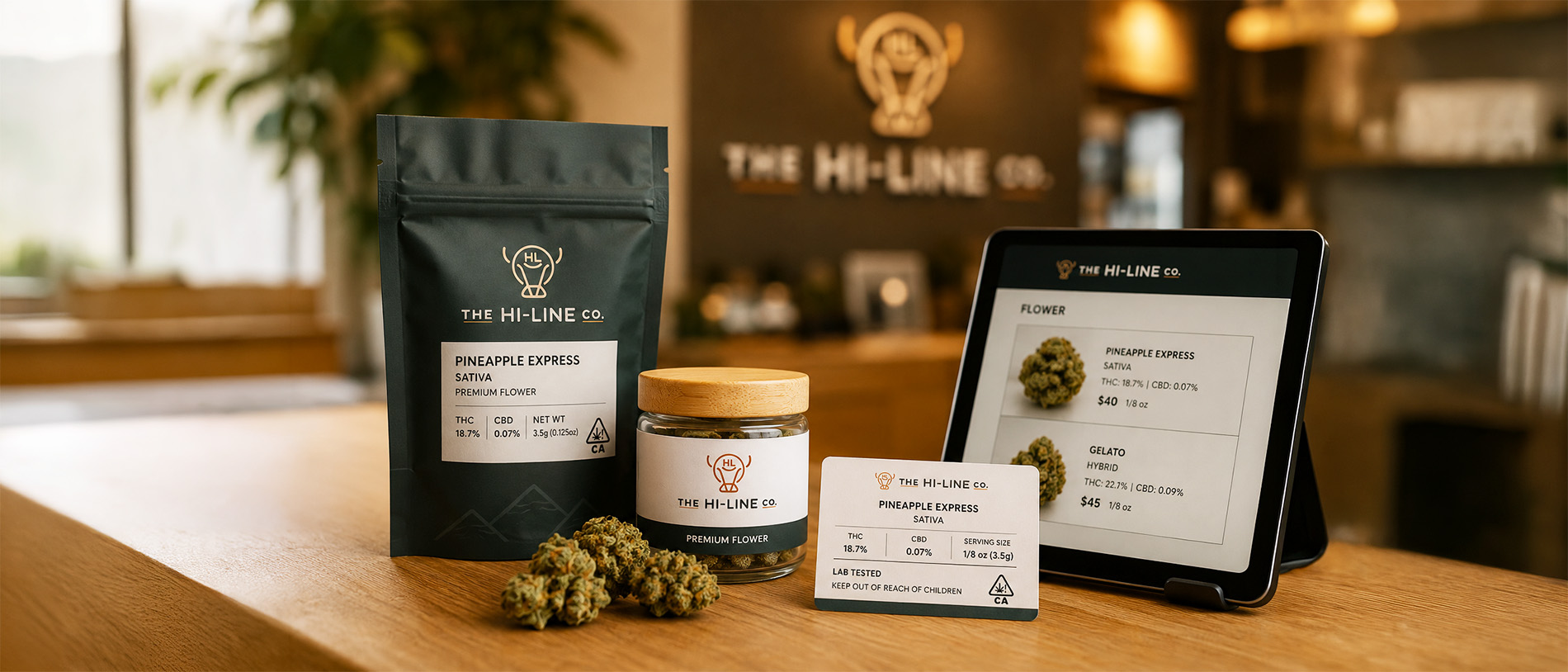
Cannabis labels can feel busy at first. Between THC, CBD, serving size, strain names, package totals, QR codes, and required warnings, it can be hard to know which details matter most.
The good news is that a cannabis label is not there to overwhelm you. It is there to help you understand what the product is, how it is measured, how it is packaged, and what questions to ask before you buy.
This guide expands on the label-reading basics from our Cannabis Basics article and focuses specifically on what adult shoppers may see on cannabis packaging and online menus in Montana.
Quick Answer:
What Should You Look for on a Cannabis Label?
Start with the product type, then review the THC and CBD details, serving size, number of servings, total package amount, strain or product name, testing information, and required warnings.
For edibles and other measured products, pay close attention to whether the label is showing an amount per serving, per piece, or per package. That one detail can change how you understand the product.
Identify the Product Type
Flower, pre-roll, edible, vape, concentrate, tincture, topical, and other cannabis formats may show label details differently.
Review Potency & Serving Details
Look for THC, CBD, serving size, number of servings, and total amount in the package before comparing products.
The Main Cannabis Label Details to Review
You do not need to become an expert to read a cannabis label.
Most shoppers can start by reviewing a few practical details and asking for help when something is unclear.
Product Type
The label should help you identify what kind of product you are looking at. Flower, pre-rolls, edibles, vape products, concentrates, tinctures, and topicals are used and measured differently.
Strain or Product Name
Some cannabis products list a strain name. Others may use a product name, category, or mixed-strain designation. Treat this as one helpful detail, not the only detail that matters.
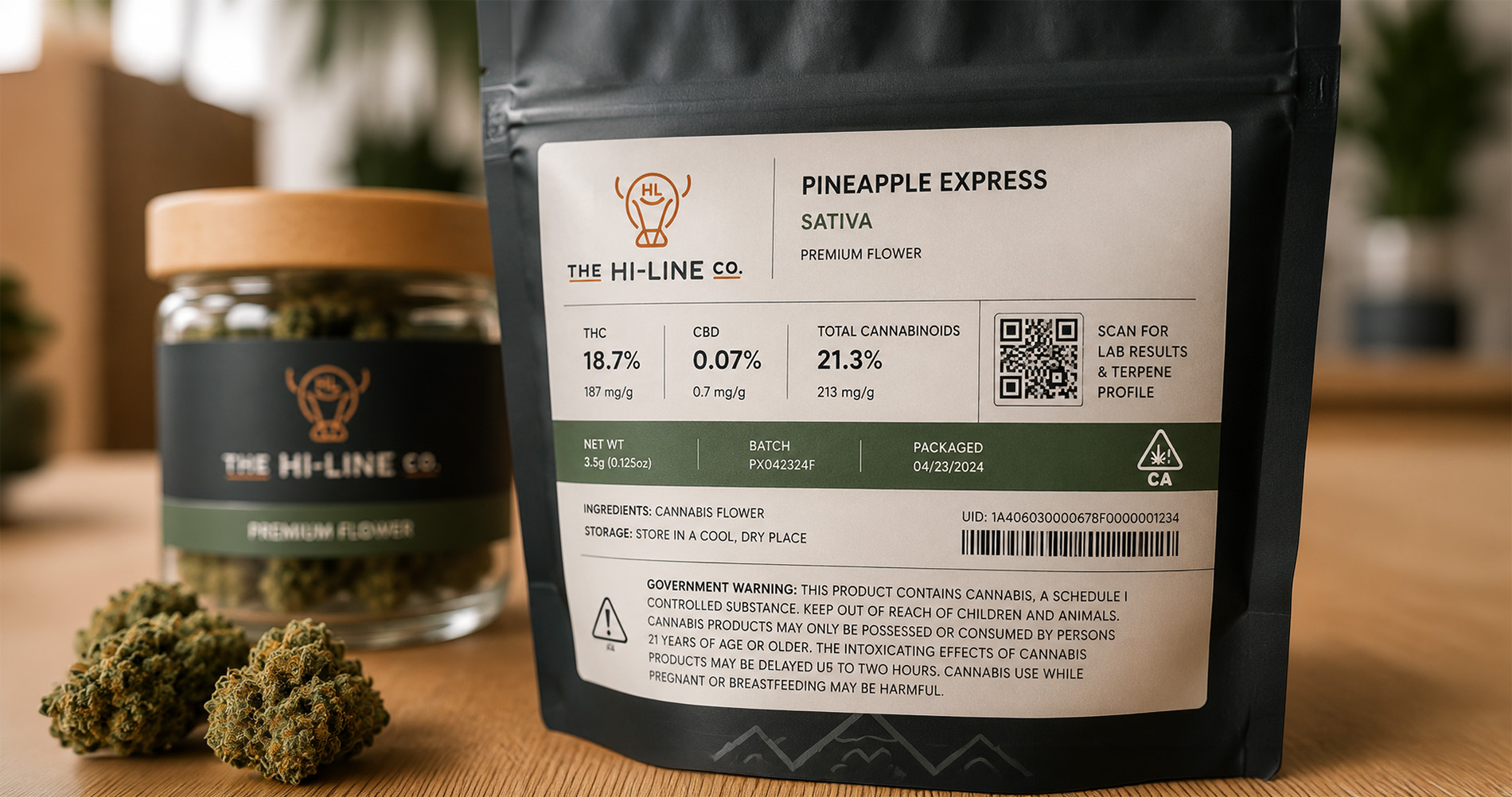
THC, THCa, CBD & CBDa
Labels may show THC, THCa, CBD, CBDa, or other cannabinoid information. These numbers help describe the product and make comparison easier.
Serving Size
Serving size is especially important for edibles, drinkables, tinctures, capsules, and other measured products. Check whether the listed amount applies to one serving or the full package.
Package Total
A product may show the total amount of THC, CBD, or other cannabinoids in the full package. This can be different from the amount listed per serving.
QR Code or COA
Some labels include a QR code or testing reference that connects to lab information, often called a Certificate of Analysis, or COA. This can help confirm potency and testing details.
Cannabis Label Terms, Explained Simply
Cannabis labels often use terms that are familiar to experienced shoppers but unclear to newer customers.
These quick explanations are meant to keep the label easier to understand before you compare product formats.
How Labels Can Look Different by Product Format
Cannabis labels are not identical across every product type. Flower, edibles, vape products, concentrates, tinctures, and topicals can all emphasize different details because they are used and measured differently.
Flower & Pre-Rolls
- • Strain name or product name
- • Net weight
- • THC, THCa, CBD, and CBDa information
- • Harvest, package, or testing details where listed
- • Required warnings and storage information
For flower and pre-rolls, many shoppers start with strain, cannabinoid details, and product amount. Those details are useful, but they should be considered alongside format, comfort level, and intended use.
Edibles
- • Serving size
- • Number of servings
- • THC or CBD per serving
- • Total package amount
- • Ingredients and allergen information
- • Delayed-effects warning
Edibles require extra attention because one package may contain multiple servings. Always check whether the listed amount is per piece, per serving, or per package.
Vape Products
- • Product type
- • Cannabinoid percentage or amount
- • Net contents
- • Testing or QR code details
- • Device or cartridge compatibility where shown
For vape products, confirm the product type and hardware compatibility if you are not sure what fits your device or routine.
Concentrates & Extracts
- • Product category
- • Cannabinoid concentration
- • Net weight or volume
- • Manufacturing or extraction details where listed
- • Testing information
Concentrates are typically better suited to experienced shoppers. If you are new to the category, ask for guidance before comparing products by potency alone.
Tinctures, Capsules & Drinkables
- • Serving size or dose
- • Number of servings or doses
- • THC, CBD, or cannabinoid amount per serving
- • Total package amount
- • Ingredients, allergens, and net fluid measure where applicable
These products often rely on measured servings. Read the serving information carefully, especially if you are comparing more than one product.
Topicals
- • Product name and category
- • Ingredients
- • Cannabinoid information where listed
- • Net contents
- • Required warnings and usage information
Topicals are different from inhaled or ingestible products, so the label may focus more on ingredients, product type, and package contents.
Per Serving vs Per Package:
The Detail That Matters Most With Edibles
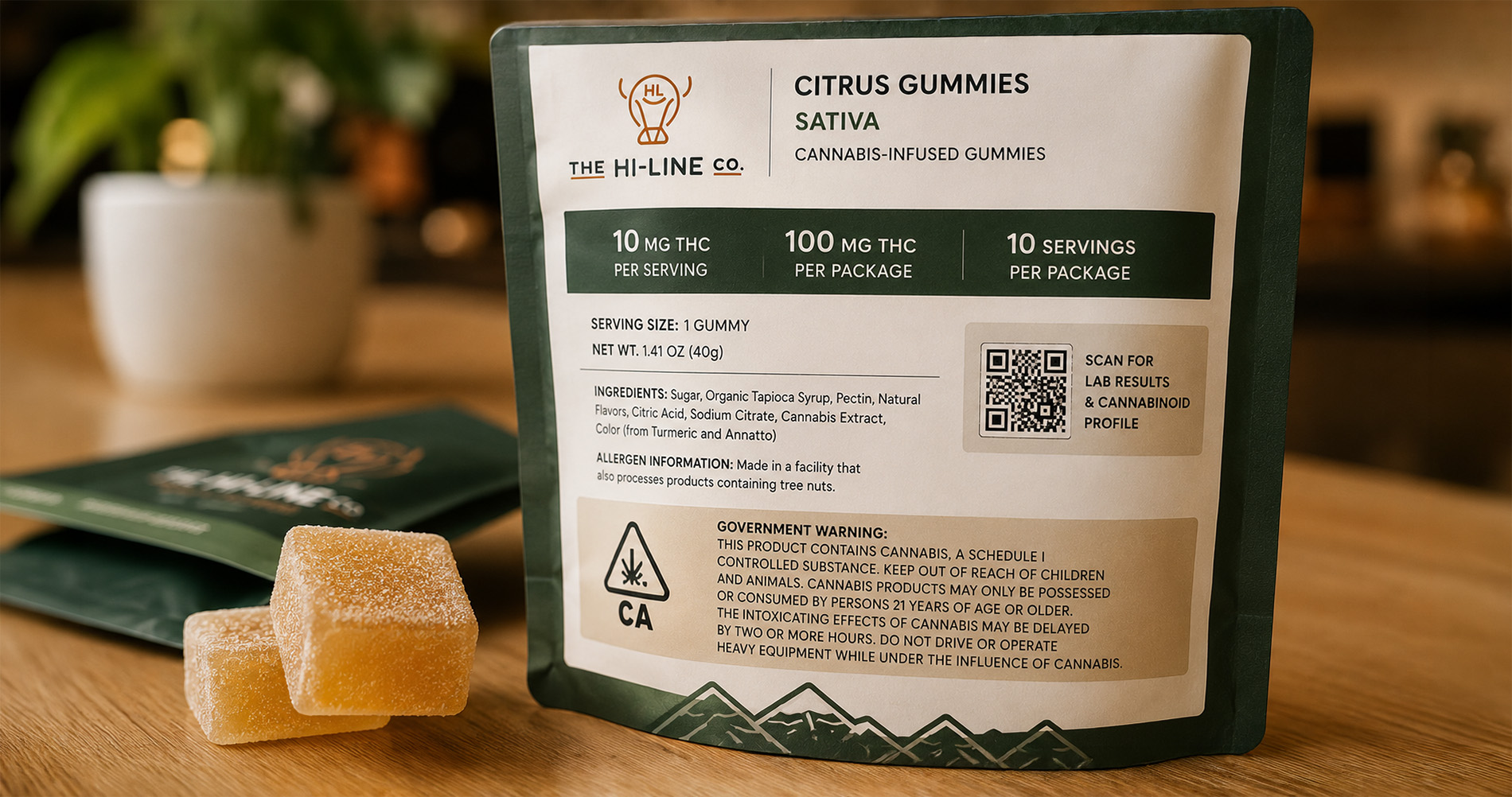
Edible labels deserve a slower read. A single package may contain multiple servings, and the amount listed for the full package may be different from the amount listed for one serving.
As of July 1, 2026, Montana reduced the maximum THC per serving for marijuana-infused ingestible products from 10 milligrams to 5 milligrams. Products labeled with more than 5 milligrams THC per serving before that date may not be sold after July 1, 2026, according to Montana Cannabis Control Division guidance.
With edibles, do not stop at the biggest number on the package. Check whether the THC amount is listed per serving, per piece, or for the full package. When unsure, ask the Hi-Line team to walk through the label before you buy.
Common Cannabis Label Mistakes to Avoid
Reading a label well often means slowing down and avoiding a few common shortcuts.
Shopping Only by THC
Higher THC is not automatically the better fit. Product type, serving size, comfort level, and experience all matter.
Missing the Serving Count
A small package may still contain multiple servings. This is especially important with edibles, tinctures, capsules, and drinkables.
Confusing Serving Amount & Package Total
One number may describe a single serving, while another describes the full package. Review both before comparing products.
Treating Strain Type as a Guarantee
Indica, sativa, and hybrid are common shopping terms, but they do not guarantee the same experience for every person.
Good Questions to Ask Before You Buy
A good cannabis label can answer a lot, but it does not need to answer everything on its own.
If something is unclear, asking a simple question is often the best next step.
- • Is this THC number per serving, per piece, or per package?
- • How many servings are in this product?
- • What product format is this?
- • Is this better suited for a new shopper or someone more experienced?
- • Can you walk me through the label?
- • Where do I find the QR code or testing information?
- • Does this product contain common allergens?
- • What should I know about storage?
Warnings Are Part of the Label for a Reason
Cannabis labels include required warnings and responsible-use information.
These details should not be treated as fine print. They are part of understanding the product before it leaves the store.
Important Warnings to Review
- • Keep cannabis products out of reach of children and pets.
- • Do not drive while under the influence of marijuana.
- • Ingestible products may have delayed intoxicating effects.
- • Store products securely and follow all package directions.
- • Ask questions before buying a product you do not understand.
This is especially important with edibles and other ingestible products.
Effects can take longer to appear than some shoppers expect, which is why serving size and patience matter.
Reading Labels While Shopping in Montana
Whether you are shopping in the Missoula area, the Flathead region, or stopping during a Montana road trip, the label should be part of the buying decision. The goal is simple: slow down, review the details, ask questions, and choose a product that fits your comfort level and plans.
At The Hi-Line Co., label reading is part of the larger shopping experience. Our team can help adult customers compare product formats, understand serving size, review THC and CBD details, and shop with more confidence.
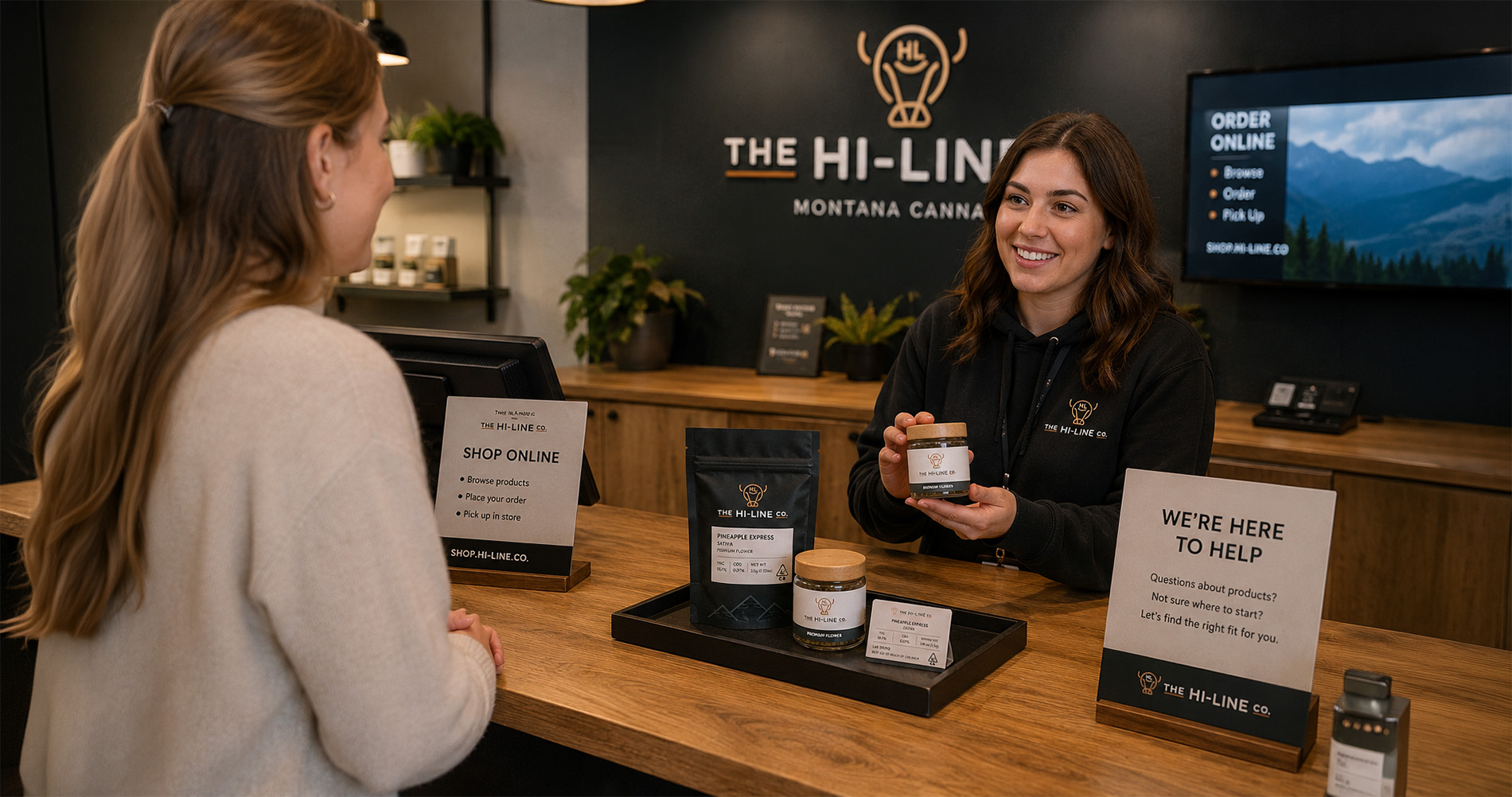
Have Questions About a Cannabis Label?
Reading a cannabis label gets easier with the right guidance. Visit The Hi-Line Co. to compare product formats, review serving size, understand THC and CBD details, and choose from licensed Montana cannabis products with more confidence.
Where to Go Next
If you are building your cannabis knowledge step by step, these guides can help you keep going.
FAQ: How to Read a Cannabis Label in Montana
Source note: This article is for general cannabis education and shopping guidance. Montana cannabis rules and product requirements may change. Current label-related references include Montana Department of Revenue Cannabis Control Division labeling and packaging guidance, Montana Cannabis Control Division newsletters, and Montana Administrative Rules, including ARM 42.39.314 and ARM 42.39.316.
References:
Montana Labeling and Packaging Guidance ·
Montana Cannabis May 2026 Newsletter ·
ARM 42.39.314 ·
ARM 42.39.316