Cannabis Policy & Montana Operators
SAFE Banking Returns to Congress
Why Cannabis Banking Reform Still Matters for Montana
Clear, Calm Cannabis Policy Education from The Hi-Line Co.
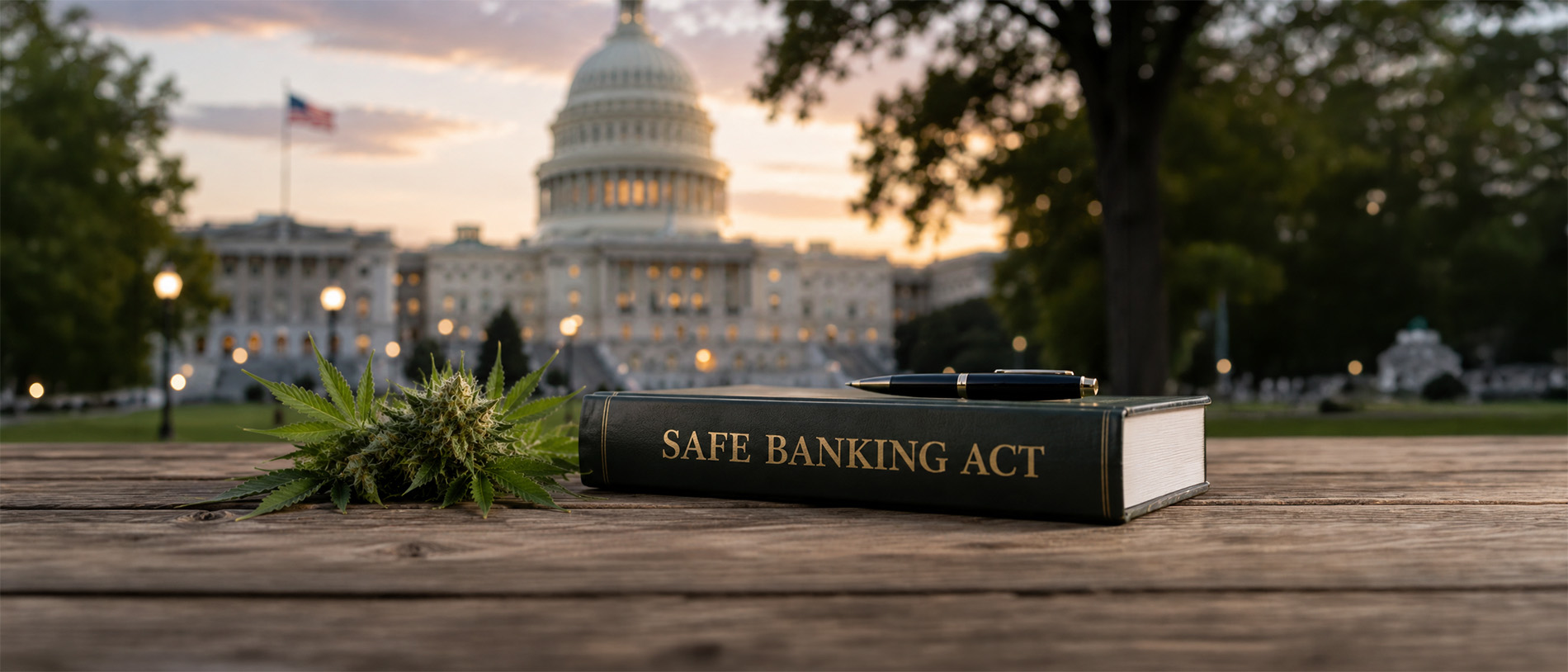
SAFE Banking is back on the Hill, and this time it returns to Congress in a very different federal landscape for cannabis. Federal scheduling conversations have changed, but the need for real banking access for state-licensed cannabis operators remains urgent.
For operators throughout Montana, the reintroduction of this bipartisan bill matters directly to day-to-day safety, access to capital, financial transparency, and the long-term viability of a regulated cannabis market.
For The Hi-Line Co., Euphoria Wellness, Mission Mountain, and other Montana-based businesses connected to national advocacy efforts, SAFE Banking is more than a policy headline. It is part of the practical infrastructure licensed cannabis businesses need in order to operate safely, responsibly, and with the same basic financial tools available to other legal industries.
Read the Press Release Version:
SAFE Banking is back on the Hill, and this time it is returning to Congress in a very different federal landscape for cannabis – but with the same urgent need for real banking access for state-licensed operators. For operators throughout Montana, the reintroduction of this bipartisan bill matters directly to day-to-day safety, access to capital, and the long-term viability of a regulated market.
SAFE Banking Returns After NCIA Lobby Days
The SAFE Banking Act has been reintroduced in the 119th Congress, just days after the National Cannabis Industry Association’s 14th Annual Cannabis Industry Lobby Days brought advocates from across the country to Washington, D.C. The legislation would create a federal “safe harbor” for depository institutions that choose to serve state-licensed cannabis businesses, finally giving banks, credit unions, and other financial institutions clearer legal protections.
For many Montana small businesses this is not an abstract policy debate. The Hi-Line Company and Euphoria Wellness are both members of NCIA and operate as licensed marijuana companies here in Montana, and, together with Mission Mountain—a Montana-based service provider supporting licensed operators across the state and also an NCIA member—they played an integral role in the association’s lobbying efforts to move SAFE Banking forward in this Congress.
NCIA’s Lobby Days delegation used in-person meetings with lawmakers to drive home a simple message: even as federal policy on cannabis begins to modernize, cannabis businesses are still locked out of basic financial services that every other legal industry takes for granted. The reintroduction of SAFE Banking signals that Congress has heard those concerns and is at least willing to reopen the conversation on a policy solution that has already enjoyed broad bipartisan support in prior sessions.
A New Federal Context: Schedule III, But Not Full Reform
This latest push for SAFE Banking comes on the heels of a historic move by the Acting U.S. Attorney General in April, when state-licensed medical marijuana was shifted to Schedule III of the federal Controlled Substances Act. That recognition acknowledges the medical use of cannabis that is now legal in 40 states, three territories, and the District of Columbia, and it has re-energized conversations about tax treatment, research, and broader reform.
At the same time, state-licensed adult-use cannabis remains in Schedule I, even though adult-use programs are legal in 24 states, three territories, and the District of Columbia. An administrative hearing on a proposed rule to move all marijuana to Schedule III is set to begin on June 29, 2026, underscoring how federal policy is in flux and how the market is now effectively “bifurcated” between medical and adult-use designations.
Neither the April rescheduling order nor any potential full reclassification to Schedule III directly solves cannabis banking problems. Financial institutions are still exposed to federal risk when they serve cannabis clients, which means that even as federal agencies catch up on scheduling, the day-to-day realities of cash-intensive operations and limited access to capital remain unchanged.
Why SAFE Banking Still Matters After Rescheduling
In this evolving environment, NCIA’s leadership is explicit: SAFE Banking is still a critical piece of the policy puzzle. NCIA Board Chair Adam Rosenberg emphasized that legal cannabis businesses need access to the same financial resources that all other industries enjoy, particularly now that the industry employs more than 400,000 workers nationwide and generates over 30 billion dollars in annual revenue.
For operators, that access is not just about convenience or lower fees; it is about capital formation, public safety, and long-term competitiveness. The SAFE Banking Act is designed to normalize the relationship between banks and cannabis businesses by clarifying that depository institutions will not be punished solely because their clients are state-licensed cannabis operators. That clarity could unlock new credit lines, more competitive lending terms, and a broader ecosystem of financial products tailored to the realities of this industry.
From a public safety standpoint, moving away from an all-cash framework reduces the risks that come with daily cash handling, vault management, and transportation. For communities along Montana’s Hi-Line and in rural markets nationally, fewer cash-heavy businesses can also mean reduced targets for crime and stronger integration of cannabis operators into local economic development planning.
Who Benefits – And Who Is Left Behind Without Reform
NCIA Policy Chair Michael Cooper highlighted that the current patchwork of federal and state law most severely harms small and minority-owned cannabis businesses. Because they have less leverage with financial institutions and fewer alternative capital channels, these operators feel the brunt of higher costs, limited account options, and inconsistent access to banking services.
When legitimate businesses cannot access traditional banking, the vacuum is filled in part by unregulated capital sources and a persistent illicit market that undercuts the regulated system. SAFE Banking aims to reverse that dynamic by protecting institutions that choose to serve regulated operators, thereby lowering risk for banks and expanding access for state-licensed businesses.
The impact would be particularly pronounced in frontier states and rural regions, where local banks and credit unions often carry the relationship banking model and are already familiar with serving agriculture and main street businesses. With a safe harbor in place, those institutions could integrate cannabis accounts into their portfolios as part of broader community development strategies, rather than treating them as exceptions or liabilities.
A Record of Bipartisan Momentum – And an Open Question
SAFE Banking is not a new idea. It has already passed the U.S. House of Representatives seven times with broad bipartisan support. In the 118th Congress, the Senate Banking Committee held its first hearing on SAFE Banking and advanced the bill out of committee with a 14–9 bipartisan vote, a milestone that underscored growing recognition that the status quo is not sustainable.
Crucially, the bill does not change the federal legal status of cannabis. Instead, it focuses narrowly on banking, creating a safe harbor for depository institutions that choose to work with cannabis-related legitimate businesses and service providers, in order to improve public safety and transparency in financial reporting.
As the measure re-enters the legislative process in the 119th Congress, operators, investors, and community stakeholders will be watching closely to see whether Congress can align the incremental progress of rescheduling with a concrete, targeted fix for financial access. For the Hi-Line and other regional markets, the outcome will shape how quickly the cannabis industry can fully integrate with the broader financial system and how much risk remains on operators’ shoulders.
NCIA’s Role and What Comes Next
Since its founding in 2010, the National Cannabis Industry Association has positioned itself as the oldest and largest trade association representing the legal cannabis industry in the United States. Its membership spans cultivators, manufacturers, retailers, and ancillary service providers, and its core mission has been to advance the industry’s interests through advocacy, education, and direct engagement with federal policymakers.
The reintroduction of SAFE Banking after NCIA’s Lobby Days underscores the role coordinated advocacy plays in moving federal policy. For businesses throughout Montana, staying connected to these national efforts—whether through NCIA, state associations, or regional coalitions—will be essential to ensuring that federal reforms actually translate into practical, on-the-ground change.
As Congress takes up SAFE Banking again, Montana operators should consider where their own operations intersect with federal banking policy and how they can participate in the broader conversation—through outreach, testimony, or partnerships with trade associations committed to aligning federal law with the reality of a mature, regulated industry.
Quick Answer: What Is SAFE Banking?
The SAFE Banking Act is federal legislation designed to give banks, credit unions, and other financial institutions clearer protection when they choose to serve state-licensed cannabis businesses and cannabis-related legitimate businesses.
The bill does not legalize cannabis federally. Instead, it focuses on a narrower but important issue: helping lawful, state-regulated cannabis businesses access financial services without forcing banks to carry unnecessary federal risk simply because they work with cannabis-related clients.
For Montana operators, that access can affect business accounts, lending, payroll, insurance relationships, tax planning, financial reporting, security practices, and the ability to grow responsibly within a regulated market.
Banking Access
Cannabis operators need the same basic financial tools used by other regulated businesses, including accounts, lending, payment infrastructure, and transparent reporting.
Safety & Stability
Reducing cash-heavy operations can support safer stores, cleaner accounting, stronger oversight, and more stable business planning.
SAFE Banking Returns After NCIA Lobby Days
The SAFE Banking Act has been reintroduced in the 119th Congress, just days after the National Cannabis Industry Association’s 14th Annual Cannabis Industry Lobby Days brought advocates from across the country to Washington, D.C.
The legislation would create a federal safe harbor for depository institutions that choose to serve state-licensed cannabis businesses. In practical terms, that means banks and credit unions would have clearer legal protections when working with cannabis-related legitimate businesses and service providers operating under state law.
For many Montana small businesses, this is not an abstract policy debate. The Hi-Line Co. and Euphoria Wellness are both members of NCIA and operate as licensed marijuana companies in Montana. Mission Mountain, a Montana-based service provider supporting licensed operators across the state and also an NCIA member, also participated in the broader advocacy effort to move SAFE Banking forward in this Congress.
Local Businesses Feel the Pressure
Banking uncertainty can affect everything from accounts and payroll to lending options, tax planning, cash handling, and long-term business stability.
NCIA Helped Reopen the Conversation
NCIA’s Lobby Days gave cannabis operators and service providers a direct opportunity to explain why banking reform remains urgent for state-licensed businesses.
NCIA’s Lobby Days delegation used in-person meetings with lawmakers to drive home a simple message: even as federal policy on cannabis begins to modernize, licensed cannabis businesses are still locked out of basic financial services that most other legal industries take for granted.
The reintroduction of SAFE Banking signals that Congress has heard those concerns and is willing to reopen the conversation around a policy solution that has already received broad bipartisan support in prior sessions.
A New Federal Context: Schedule III, But Not Full Reform
This latest push for SAFE Banking comes during a historic shift in federal cannabis policy. In April 2026, the Justice Department and Drug Enforcement Administration announced action placing FDA-approved marijuana products and marijuana products subject to a qualifying state medical marijuana license into Schedule III of the federal Controlled Substances Act.
That recognition has renewed conversations around research, tax treatment, regulatory clarity, and broader cannabis reform. At the same time, the change does not fully resolve the federal-state conflict surrounding adult-use cannabis programs.
State-licensed adult-use cannabis remains treated differently at the federal level, even though adult-use programs are legal in many states, territories, and the District of Columbia. An administrative hearing on a proposed rule to move marijuana more broadly to Schedule III is scheduled to begin on June 29, 2026.
Medical Cannabis Treatment
Federal action moved certain FDA-approved marijuana products and marijuana products subject to qualifying state medical marijuana licenses into Schedule III.
Banking Risk
Rescheduling alone does not give financial institutions the same clear safe harbor that dedicated cannabis banking legislation would provide.
That is the key point for operators: neither the April rescheduling action nor a potential broader move to Schedule III directly solves cannabis banking. Financial institutions can still face federal compliance uncertainty when serving cannabis clients, especially in a market where medical and adult-use treatment may differ.
Why SAFE Banking Still Matters After Rescheduling
In this evolving environment, SAFE Banking remains a critical piece of the policy puzzle. Rescheduling can change how cannabis is treated under federal drug policy, but banking reform addresses the practical financial infrastructure that licensed businesses need to operate safely and transparently.
For operators, banking access is not just about convenience or lower fees. It is about capital formation, public safety, lending, payroll, insurance, accounting, tax compliance, and long-term competitiveness.
Access to Capital
Clearer banking protections could make it easier for state-licensed operators to pursue credit lines, lending relationships, equipment financing, and business planning tools that are common in other industries.
Less Cash Exposure
Moving away from cash-heavy operations can reduce risks tied to daily cash handling, transportation, vault management, and robbery exposure.
Cleaner Reporting
More stable banking access can support cleaner recordkeeping, stronger reporting, and better integration with state regulatory systems.
Stronger Business Integration
For Montana communities, banking reform can help cannabis businesses participate more normally in local hiring, vendor relationships, taxes, and economic development.
For communities along Montana’s Hi-Line and throughout rural markets nationally, this issue is especially practical. Local banks and credit unions often understand relationship-based business banking. With a clear safe harbor in place, those institutions could have a more reliable pathway to serve cannabis clients as part of the broader local economy.
Who Benefits — And Who Is Left Behind Without Reform
The current patchwork of federal and state law creates uneven pressure across the cannabis market. Large companies may have more resources to manage banking complexity, but smaller operators often feel the burden more directly.
Small businesses, independent operators, minority-owned operators, retailers, cultivators, manufacturers, and service providers can face higher costs, fewer account options, limited lending relationships, and more uncertainty when financial institutions are hesitant to serve cannabis clients.
More Normal Business Tools
- More consistent access to financial services
- Reduced reliance on cash-heavy operations
- Potentially broader lending and credit options
- Improved transparency for regulated operators
- Stronger integration with local business systems
More Pressure on Operators
- Continued inconsistency in banking access
- Higher operational and compliance costs
- More safety concerns around cash handling
- Limited access to traditional capital
- More strain on small and independent businesses
When legitimate businesses cannot access traditional banking, the regulated market is placed at a disadvantage. That can leave room for unregulated capital sources and illicit operators that do not follow the same rules, testing requirements, tax obligations, or community standards.
The impact may be especially pronounced in frontier states and rural regions, where local banks and credit unions already carry the relationship-banking model and are familiar with serving agriculture, Main Street businesses, and community-based operators.
A Record of Bipartisan Momentum
SAFE Banking is not a new idea. Previous versions of the measure have passed the U.S. House of Representatives seven times with broad bipartisan support.
In the 118th Congress, the Senate Banking Committee held its first hearing on SAFE Banking and advanced the bill out of committee with a bipartisan 14-9 vote. That milestone reflected growing recognition that the current banking environment is not sustainable for a mature, state-regulated cannabis industry.
Important Distinction: SAFE Banking Is Narrowly Focused
The bill does not change the federal legal status of cannabis. Its purpose is to protect financial institutions that choose to serve cannabis-related legitimate businesses and service providers, with the goal of improving public safety, transparency, and access to financial services.
As the measure re-enters the legislative process in the 119th Congress, operators, investors, service providers, and community stakeholders will be watching closely. The open question is whether Congress can pair the incremental progress of rescheduling with a targeted fix for financial access.
For the Hi-Line and other regional markets, the outcome will help shape how quickly cannabis businesses can integrate with the broader financial system and how much operational risk remains on the shoulders of licensed operators.
NCIA’s Role and What Comes Next
Since its founding in 2010, the National Cannabis Industry Association has positioned itself as a leading trade association representing the legal cannabis industry in the United States. Its membership includes cultivators, manufacturers, retailers, and ancillary service providers working across state-regulated markets.
The reintroduction of SAFE Banking after NCIA’s Lobby Days shows how coordinated advocacy can help move federal policy. For businesses throughout Montana, staying connected to national efforts through NCIA, state associations, regional coalitions, and direct outreach can help ensure that reforms are informed by the realities operators face on the ground.
As Congress takes up SAFE Banking again, Montana operators should consider where their own operations intersect with federal banking policy. That may include outreach to lawmakers, participation in trade associations, testimony when appropriate, or partnerships with organizations committed to aligning federal law with the structure of a mature, regulated cannabis market.
What Montana Operators Should Watch
Cannabis policy is moving on several tracks at once. Banking reform, rescheduling, tax treatment, financial compliance, and state-level regulation may all affect operators in different ways. That makes it important to follow both federal headlines and practical guidance from trusted industry sources.
SAFE Banking Progress
Watch whether the bill advances through committee, receives broader bipartisan support, and gains a realistic path toward passage in the 119th Congress.
Federal Rescheduling
Follow the June 29, 2026 hearing process and any final federal action that could affect how marijuana is scheduled under the Controlled Substances Act.
Banking Guidance
Financial institutions may continue to look for clear federal direction before expanding services to cannabis-related clients.
Montana Market Impact
Local operators should consider how banking access may affect cash handling, lending, vendor relationships, expansion planning, and long-term stability.
Stay Connected to Cannabis Policy and Education
The Hi-Line Co. follows cannabis policy through the lens of responsible retail, clear education, and the long-term health of Montana’s regulated market. As federal reform continues to evolve, practical guidance will matter more than headlines alone.
FAQ: SAFE Banking and Cannabis Reform
What would the SAFE Banking Act do?
The SAFE Banking Act would create clearer federal protections for banks, credit unions, and other depository institutions that choose to serve state-licensed cannabis businesses and cannabis-related legitimate businesses.
Does SAFE Banking legalize cannabis federally?
No. SAFE Banking is focused on financial services. It does not legalize cannabis federally or change the federal status of cannabis under the Controlled Substances Act.
Why does cannabis banking matter for Montana operators?
Banking access affects safety, lending, payroll, insurance, accounting, tax planning, and the ability for licensed cannabis businesses to operate more like other regulated local businesses in Montana.
Did rescheduling solve cannabis banking problems?
No. Recent rescheduling activity changed part of the federal cannabis policy landscape, but it did not directly provide financial institutions with the safe harbor protections that a banking bill would create.
Why are cash-heavy cannabis businesses a concern?
Cash-heavy operations can create practical safety and security risks tied to daily cash handling, storage, transportation, and robbery exposure. More reliable banking access can help reduce those pressures.
Who is most affected by limited cannabis banking access?
Small businesses, independent operators, minority-owned operators, and companies with fewer alternative capital options often feel the pressure most directly because they may have less leverage with financial institutions and fewer financing pathways.
What should Montana cannabis businesses watch next?
Operators should watch the progress of SAFE Banking in Congress, the federal rescheduling process, any related tax and compliance changes, and guidance from trade associations that track federal cannabis policy closely.
How is The Hi-Line Co. connected to this issue?
The Hi-Line Co. is a Montana-owned cannabis company and NCIA member. Like other licensed operators, the company has a direct interest in policies that support safe, transparent, and sustainable cannabis business operations.
SAFE Banking Is a Practical Issue for a Regulated Market
Federal cannabis reform often sounds complicated because it is moving through multiple channels at once. Scheduling, tax treatment, research, banking, and state-level regulation are related, but they are not the same issue.
SAFE Banking matters because it addresses one of the most practical barriers facing licensed operators: access to normal financial services. For Montana cannabis businesses, the outcome could shape how safely, transparently, and competitively the regulated market can operate in the years ahead.
The Hi-Line Co. will continue approaching these issues with the same priorities that guide its retail experience: clear education, responsible participation, and a strong commitment to Montana’s regulated cannabis community.
Continue Learning About Cannabis in Montana
Understanding cannabis policy is part of understanding the broader market. Explore more education from The Hi-Line Co. to learn about cannabis products, Montana shopping guidance, responsible use, and the evolving legal landscape.
Disclaimer: This article is for general cannabis policy education only. It is not legal, financial, tax, banking, regulatory, or business advice. Cannabis laws, banking requirements, tax rules, federal policy, and Montana regulations may change. Licensed operators should consult qualified legal, financial, banking, and compliance professionals for guidance specific to their business.